
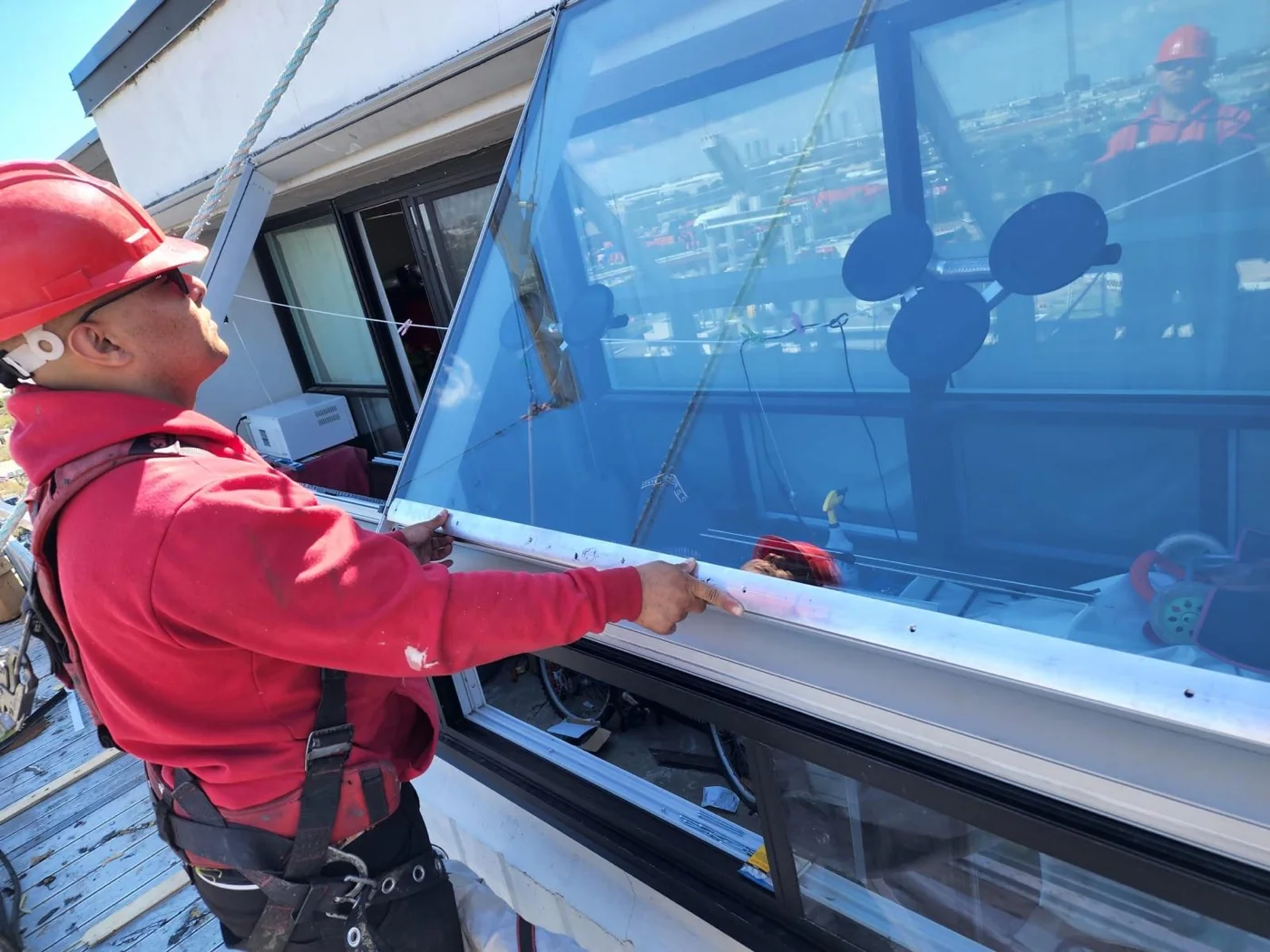
Swing stages, scaffolding and lifts
Engineered swing stages and scaffolding, scissor lifts and heavy-duty boom lifts, installed and operated by Aspect crews.
Access equipment we operate
Any work above the second floor needs access equipment. Aspect crews install and operate swing stages, scaffolding, scissor lifts and boom lifts, based on project requirements.
We choose the access method at the site visit, based on wind exposure, ground conditions, foot traffic and the shape of the facade. Our crews are certified for swing stage and suspended access, elevated work platforms and Working at Heights.
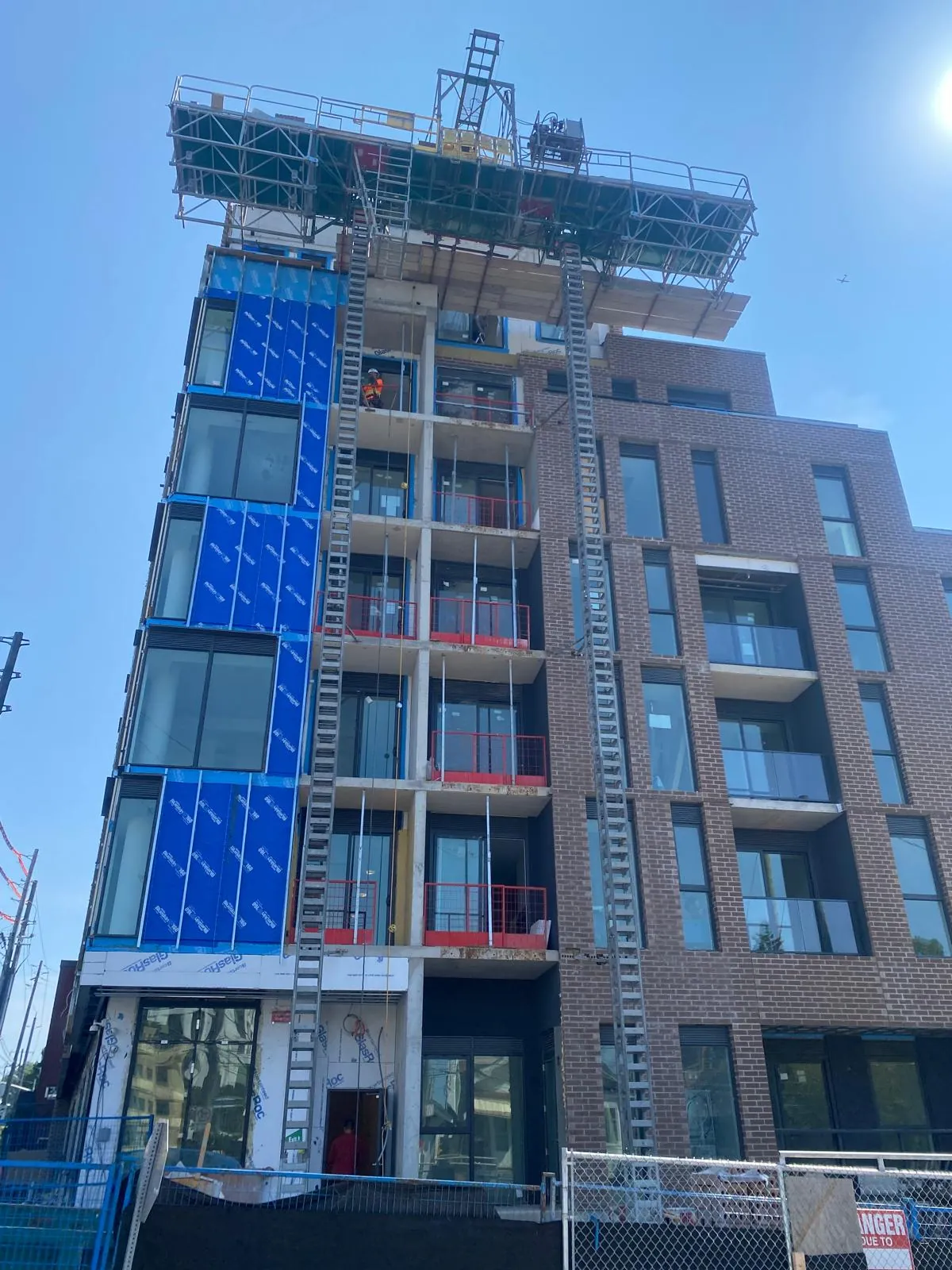
- Engineered swing stages and suspended platforms
- Engineered scaffolding systems
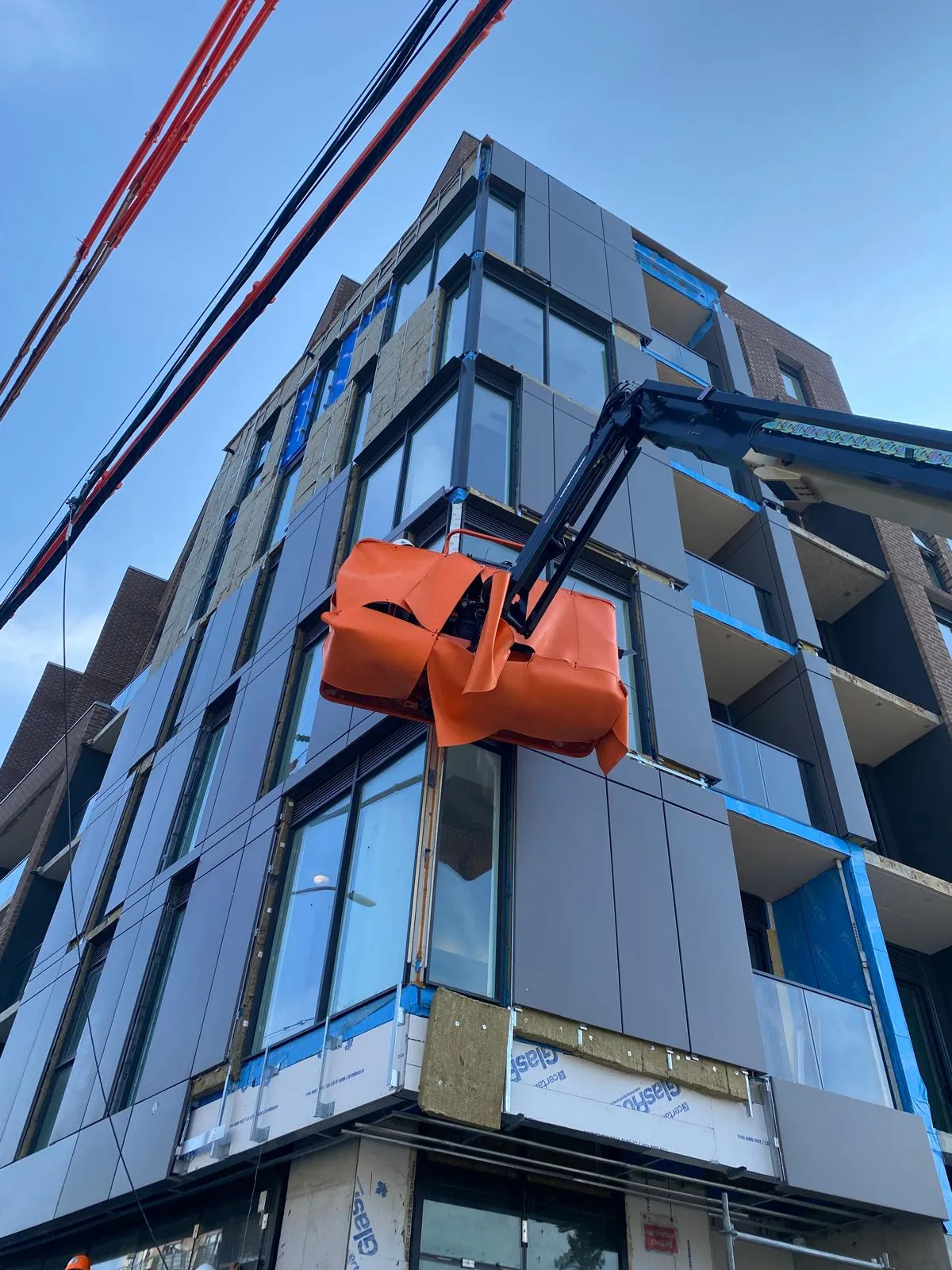
- Scissor lifts and heavy-duty boom lifts
- Roof anchor inspection before any rigging goes up
- Access planned around parking, foot traffic and material storage
Safety at height
Work at height is regulated in Ontario. Every Aspect crew member holds Working at Heights and swing stage training, and we put in place and adhere to strict safety protocols on every site.
How we choose the access method
Three site conditions decide which access method a building needs.
Wind exposure
Swing stages have wind limits, and downtown towers create strong gusts between them. On an exposed elevation we plan for wind days or use a different method.
Ground conditions
Scaffolding needs solid bearing, a footprint and a route that keeps sidewalks and loading bays open. Where the ground does not allow it, a heavy-duty boom lift reaches the same work without occupying the base of the building.
Building shape
Balconies, setbacks, podium roofs and overhangs determine which equipment can reach each elevation, which is why we confirm the method on site.
Access is one of the largest variables in a high-rise quote. It affects the price, the schedule and the disruption to the building, so we settle it before the work is measured.
Frequently Asked Questions About Access
That is planned before anything goes up. Pedestrian routing, parking, material storage and garbage storage are agreed with the building first, and hoarding and overhead protection keep entrances and walkways usable throughout. Where the ground cannot give up the space, a boom lift reaches the same work without a footprint at the base of the building.
At the site visit, on the building. Wind exposure, ground conditions, foot traffic and the building’s geometry decide between swing stage, scaffolding, scissor lift or boom lift. It is not a decision that can be made from a drawing.
A heavy-duty boom lift reaches the work without occupying the base of the building. That is the usual answer where access is limited or the site cannot give up the ground for a scaffold footprint.
Yes. Aspect works from suspended platforms and swing stages that are engineered and stamped, and scaffolding is engineered where the height or the configuration calls for it. Roof anchors are inspected before any rigging goes up.
Marked drop zones, overhead protection over entrances and walkways, tool tethering on every elevated job, and pedestrian routes kept open and routed clear of the face being worked.
Have a question that isn't covered here? Ask us directly
Tell us about your project
Tower or home, anywhere from downtown Toronto to the far side of the province, send us the details and we will come back to you within one business day.