
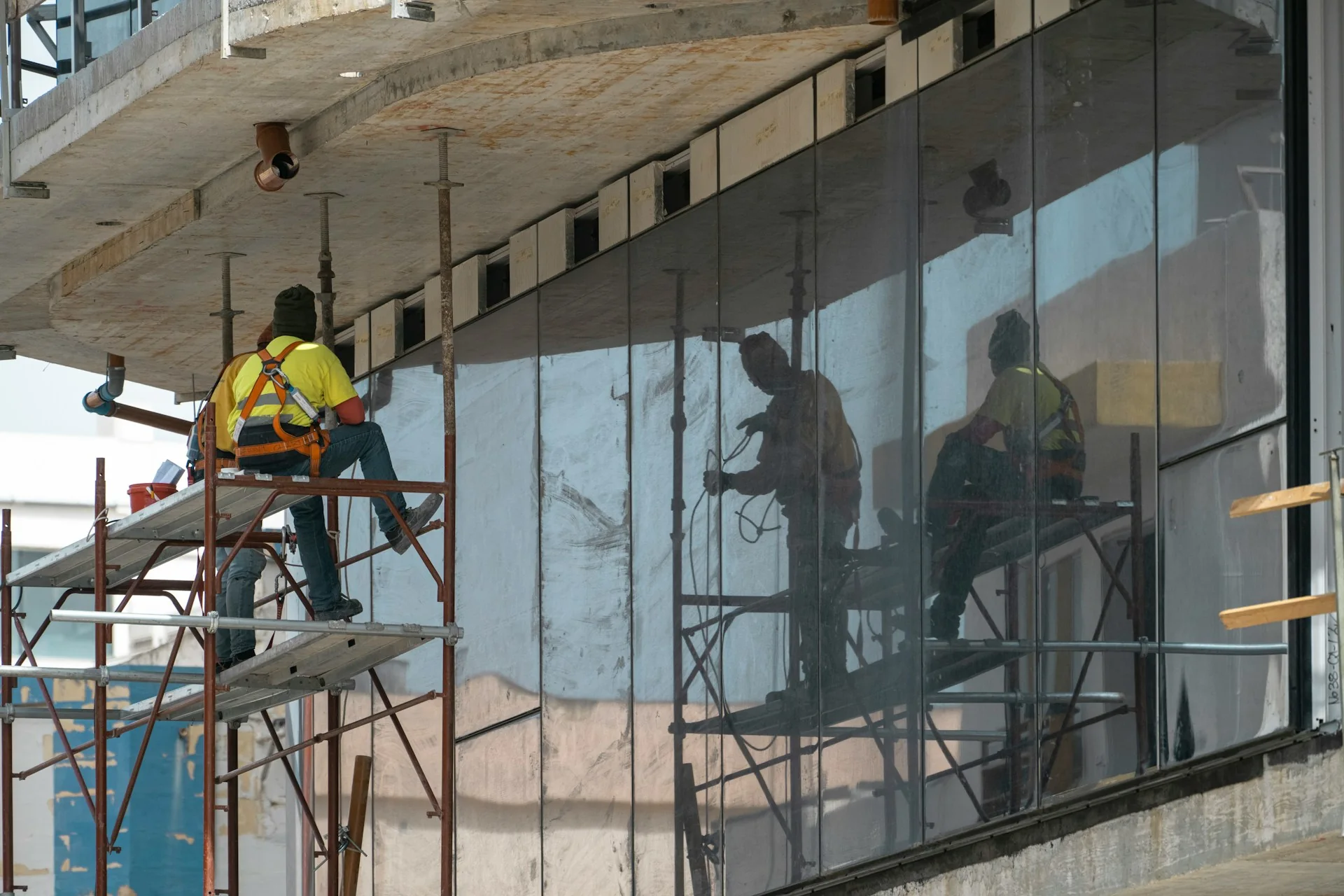
Concrete repair and restoration
Concrete restoration services we provide
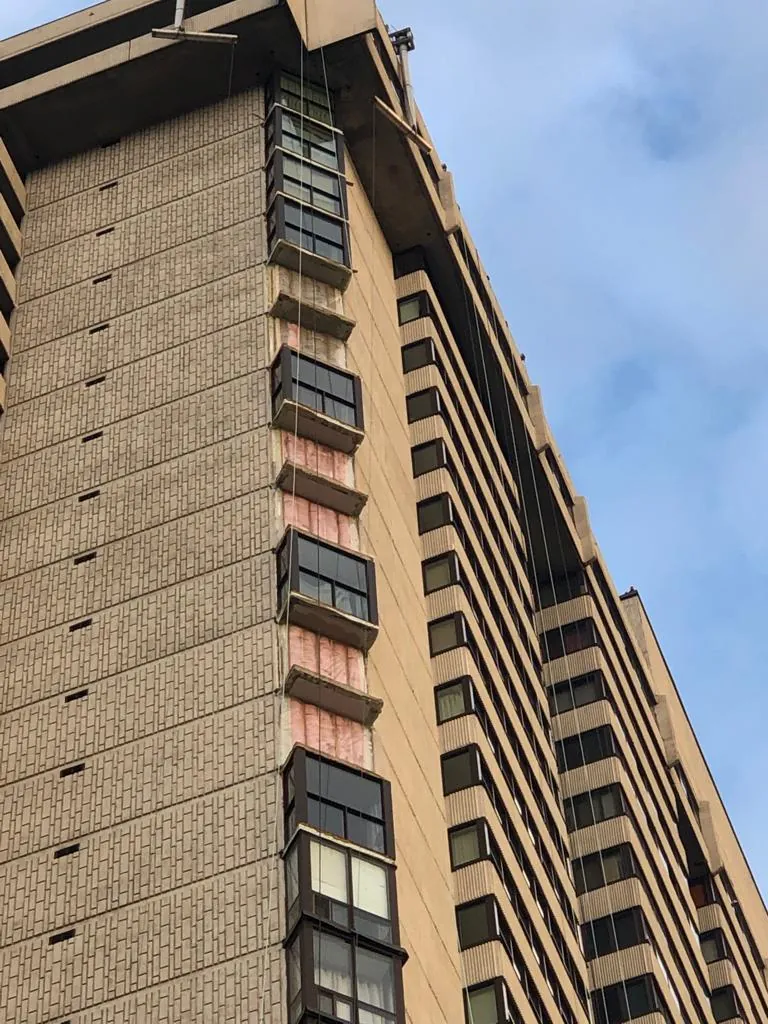
The concrete on a building's exterior protects the reinforcing steel inside it. When carbonation or salt reaches that steel, it rusts and expands, which cracks the concrete and breaks pieces off slab edges, columns and walls.
Aspect Restoration locates the damaged concrete, removes it, treats the rebar and rebuilds each section with repair mortar, then protects the surface with coatings. We work with your building's engineer, or can bring in our engineering partner, Apollo Building Group, for structural review and repair design.
- Slab edge repair
- Column, beam and wall repair
- Rebar cleaning, treatment and replacement
- Crack injection
- Corrosion protection for the reinforcing steel
- Protective coatings and sealers
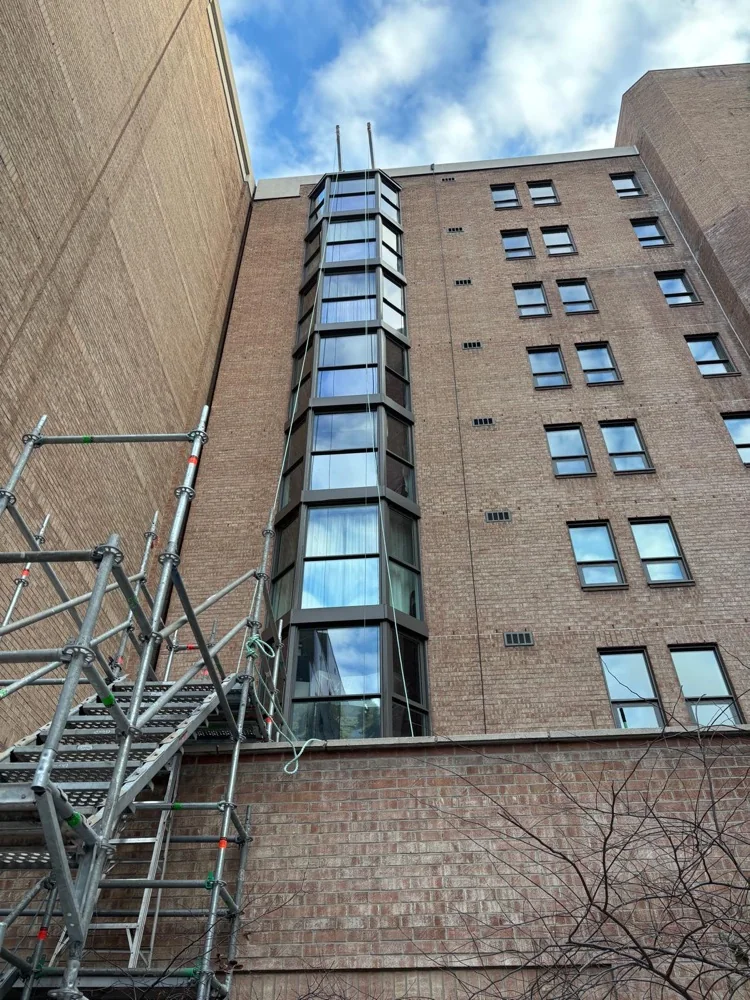
How exterior concrete deteriorates over 40 years
Sound concrete
Concrete is alkaline, which keeps a protective film on the reinforcing steel inside it.
These are typical failure patterns for Ontario's climate, shown for illustration. They are not a prediction for any specific building: materials, detailing and maintenance history can shift these timelines by years. Only a professional assessment can show where your building stands.
Patch repairs or a full restoration program
We recommend patch repairs when the damage is local, and a full restoration program when testing shows corrosion across the building. Our assessment gives your board the scope for both options.
When patch repairs are enough
- Spalls and hollow areas are limited to a few locations
- The concrete elsewhere sounds solid
- The rebar has little or no loss of section
- Cracks are fine and not moving
When a full restoration program is needed
- Delamination and spalling show up on several elevations
- Testing shows carbonation or salt at the steel across the building
- Bars have lost section and need an engineered repair
- New damage keeps appearing around earlier patch repairs
Frequently Asked Questions About Concrete
Rust stains, cracks that follow the line of the rebar, areas that sound hollow when tapped, and pieces of concrete breaking off at slab edges, columns and walls.
It can be. Loose concrete can fall from slab edges and walls onto people and property below. If you see spalling, report it to your property manager so the area can be checked and made safe.
We sound the concrete by tapping it with a hammer, since delaminated areas sound hollow, and mark each repair out past the hollow area. Testing for carbonation and corrosion is added where the scope needs it.
Yes. We inject cracks to stop water getting in. Epoxy is used for stable cracks that need to be bonded back together, and flexible polyurethane for cracks that move or leak.
They slow it down. Coatings and sealers limit how much water, salt and carbon dioxide get into the concrete. They do not repair concrete that is already damaged, so we apply them after the repairs.
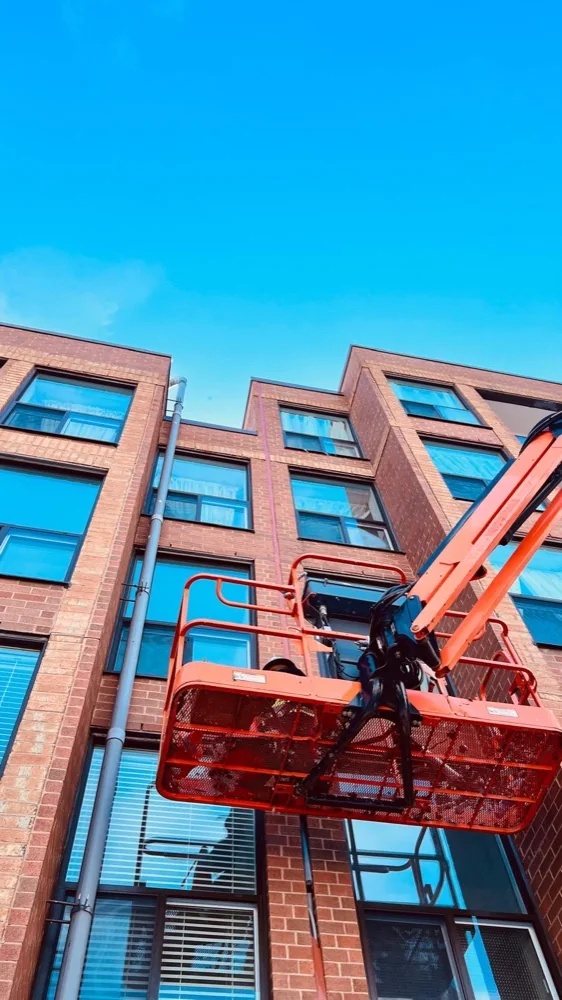
No. Exterior concrete repairs are done from swing stages, lifts or scaffolding. Concrete removal is noisy, so residents receive written notice through the property manager before work reaches their area.
Have a question that isn't covered here? Ask us directly
Related building envelope services
 Learn More
Balconies & Railings
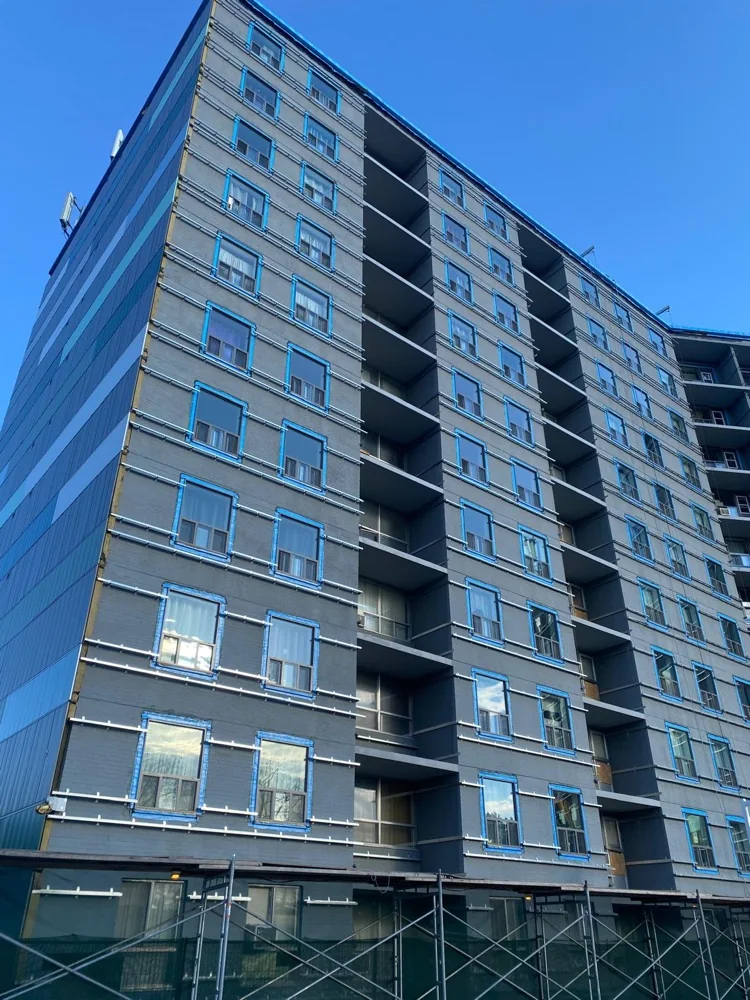
We repair balcony slabs, apply membranes, and replace railings and dividers.
 Learn More
Waterproofing
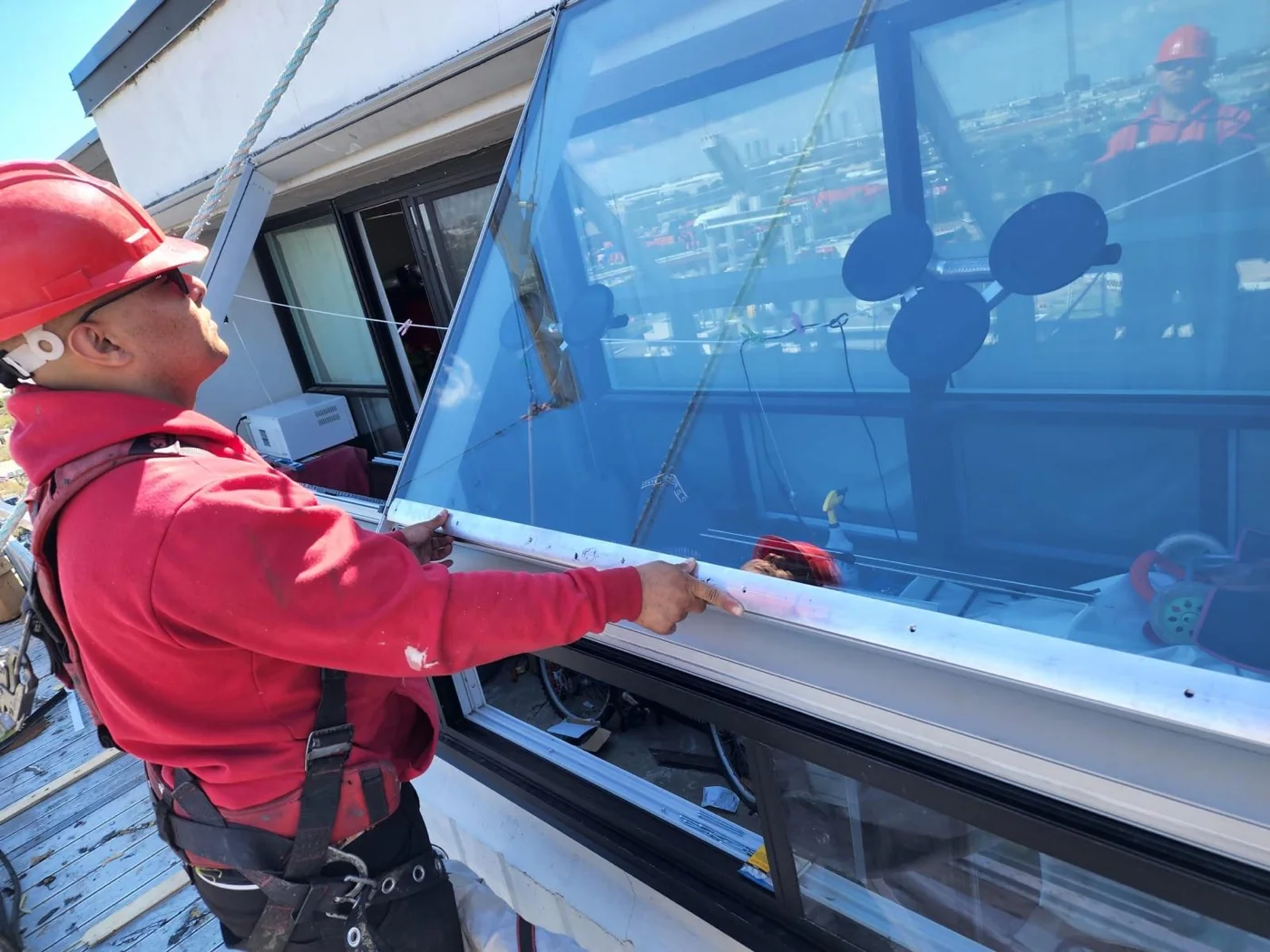
We replace podium, terrace and garage-roof membranes, and seal foundations.
 Learn More
Assessment & Leak Investigation
We trace leaks, water test the envelope and scope the project for your board.
Tell us about your project
Tower or home, anywhere from downtown Toronto to the far side of the province, send us the details and we will come back to you within one business day.