
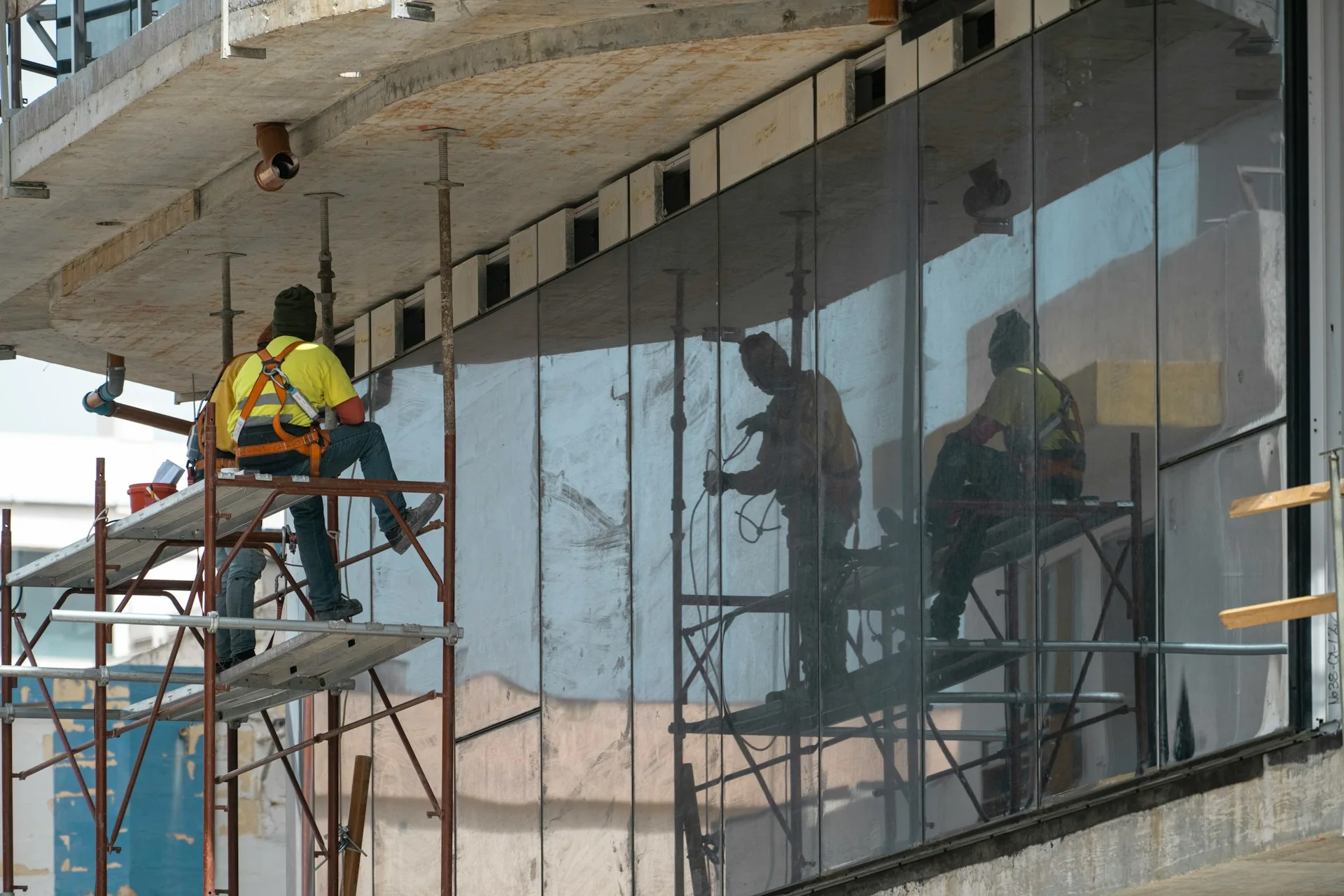
Caulking and sealant replacement
Caulking and sealant services we provide
Sealant joints close the gaps around windows, between precast and cladding panels and at expansion joints. They are the first line of defence against water, and most building leaks start at a joint that has failed.
Aspect Restoration removes failed sealant, prepares each joint and installs new backer rod and sealant matched to the surfaces, from single elevations to full-building re-caulking programs.
- Window and door perimeters
- Window wall and curtain wall joints
- Precast and panel joints
- Expansion and control joints
- Balcony slab edges, railing posts and thresholds
- Full-building re-caulking programs
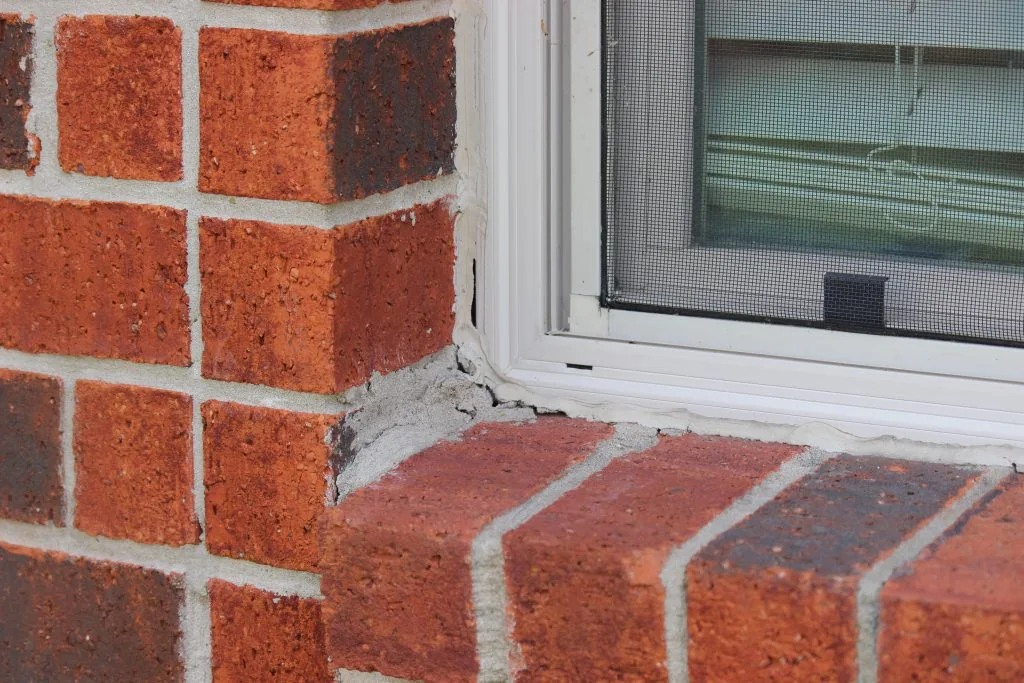
How a failed sealant joint ages over 40 years
Sound and flexible
The sealant is bonded to both sides of the joint and stretches as the panels expand and contract.
These are typical failure patterns for Ontario's climate, shown for illustration. They are not a prediction for any specific building: materials, detailing and maintenance history can shift these timelines by years. Only a professional assessment can show where your building stands.
Spot resealing or full re-caulking
We recommend spot resealing when failures are limited and a full re-caulking program when the sealant has reached the end of its life across the building. Our assessment gives your board the scope for both options.
When spot resealing is enough
- Failures are limited to a few joints or one elevation
- The sealant elsewhere is still flexible and bonded
- There is no water damage behind the joints
- Leaks trace to specific joints or penetrations
When a full re-caulking program is needed
- Sealant is hardened, cracked or pulling away across the building
- Leaks come from different joints on several elevations
- Joints were caulked over instead of cut out and replaced
- Spot repairs keep failing at the same locations
Frequently Asked Questions About Caulking
It depends on the sealant, the exposure and how the joint was built. Polyurethane sealants typically last about 5 to 20 years and good silicones longer. Sealant on the sunny south side usually breaks down first, and joints should be inspected every year.
We remove it. Caulking over failed sealant bonds the new bead to old, weathered material instead of the joint surfaces and gives an inferior seal, so it is only ever a temporary fix. We cut out the old sealant, clean and prime the joint, and install a new backer rod and sealant.
Sealant that is hard, cracked or chalky, gaps where it has pulled away from the edges, missing sections, staining below joints, and leaks around windows after rain.
Silicone, polyurethane and hybrid sealants, chosen for the surfaces on each side of the joint and the movement it has to take. On high-exposure elevations we can install a dual seal, with a second backer rod and bead set deeper in the joint behind the first.
Yes. We water test re-caulked joints, especially at windows, to confirm they are watertight before the work is closed out.
No. Re-caulking is done from the exterior, from swing stages or lifts. Residents receive written notice through the property manager before their suites are scheduled.
Have a question that isn't covered here? Ask us directly
Related building envelope services
 Learn More
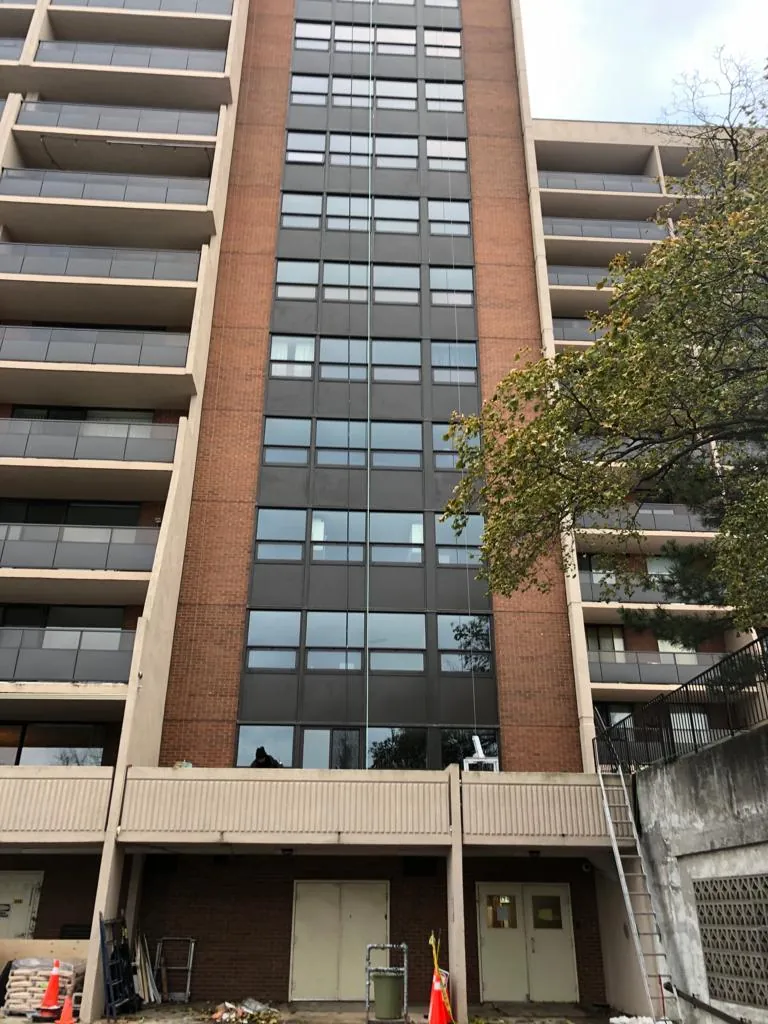
Stucco (EIFS)
We patch and re-stucco walls, and repair or replace EIFS.
 Learn More
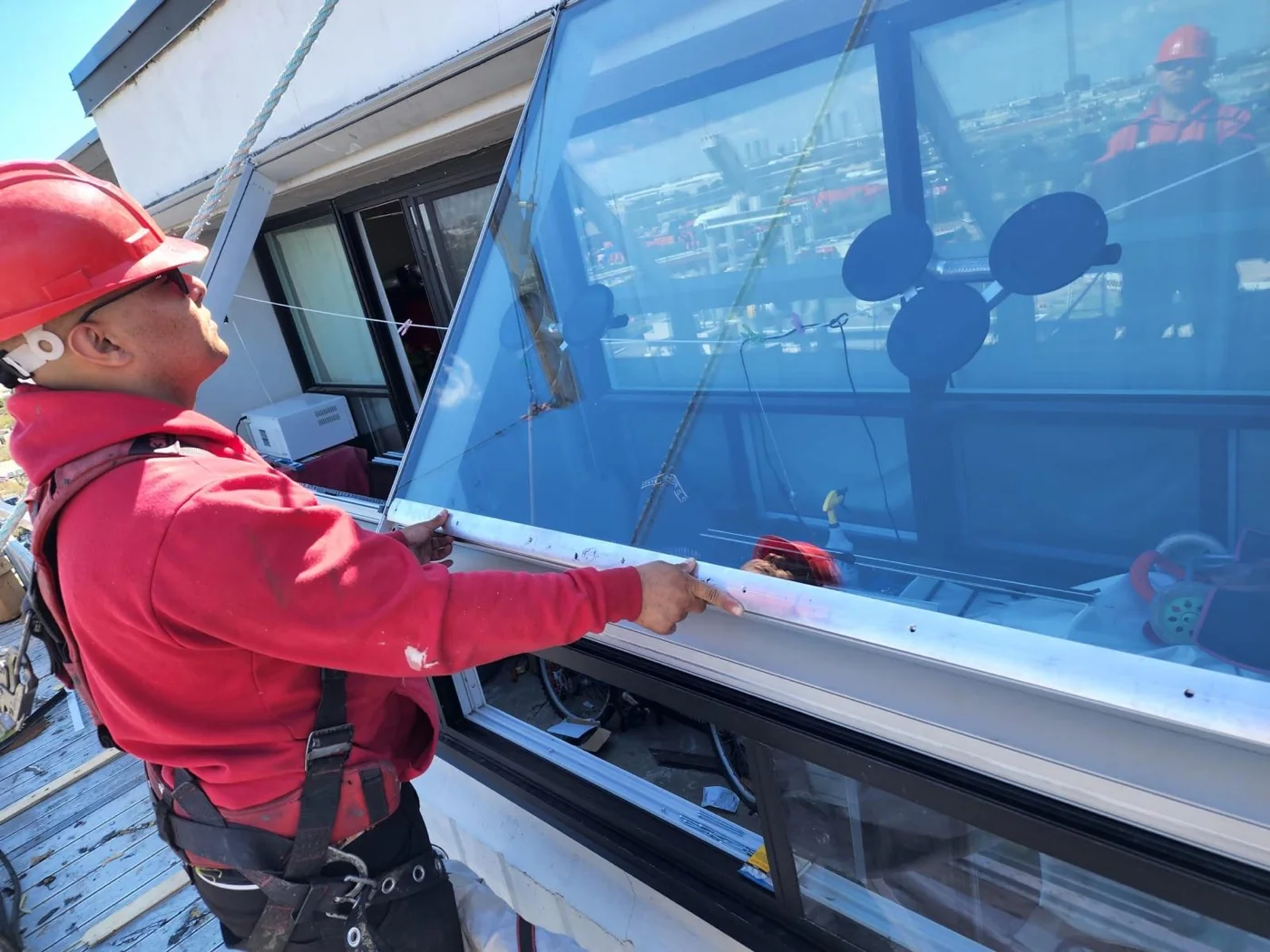
Window & Window Wall Replacement
We replace punched windows and window wall systems, and re-glaze curtain wall.
 Learn More
Assessment & Leak Investigation
We trace leaks, water test the envelope and scope the project for your board.
Tell us about your project
Tower or home, anywhere from downtown Toronto to the far side of the province, send us the details and we will come back to you within one business day.