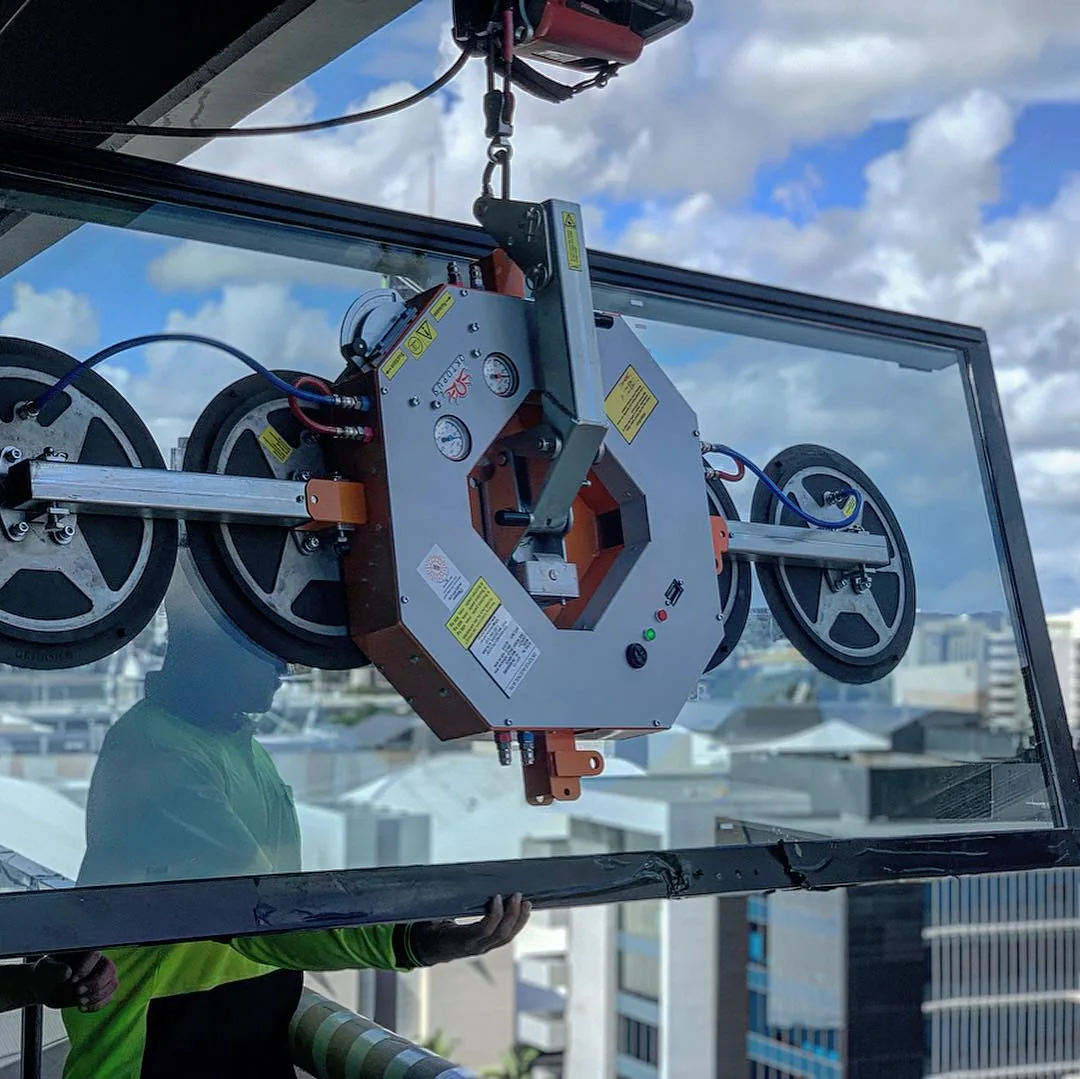
Fogged and failed sealed units, replaced.
Insulated glass fails long before the frame does. We replace the unit and keep the frame, at any elevation, from a single suite to a whole elevation.
What a sealed unit replacement involves.
A sealed unit is two or three panes with a sealed cavity between them. When that seal fails, moisture gets into the cavity and the thermal barrier goes with it. You see it as fog or haze between the panes that no amount of cleaning touches.
In most cases the frame is still sound, which means the fix is the glass rather than the window. That is a fraction of the cost and a fraction of the disruption of a full replacement, and it restores the thermal performance the building was designed to have.
- Fogged and moisture-affected units replaced in the existing frame
- Low-E coatings and argon fill that older units were built without
- Tempered and laminated glass where the opening requires it
- Single service calls through to multi-year tower programs
- Any elevation, using swing stages, lifts, or other access methods as required
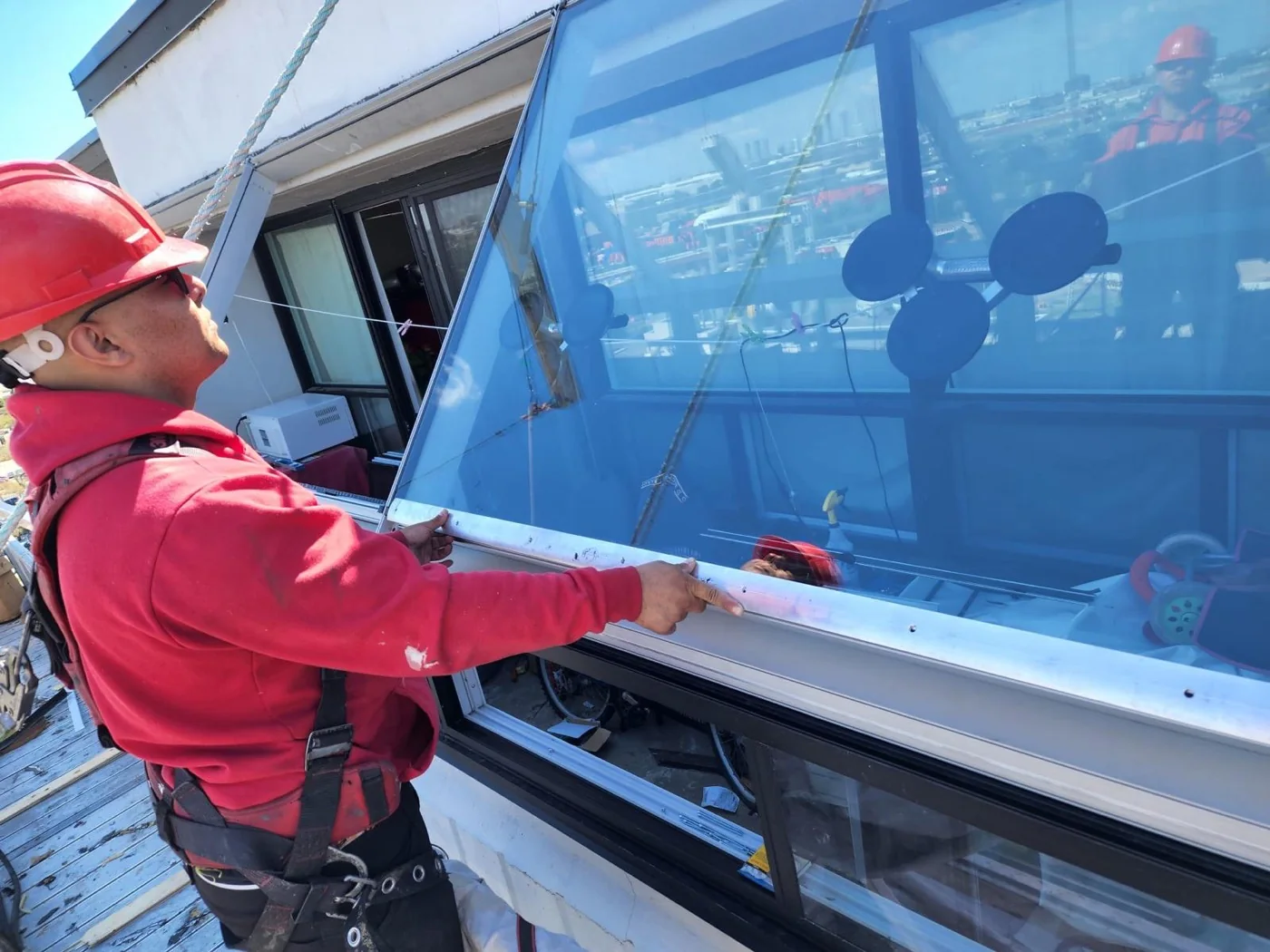
Your residents stay home through the whole program.
Sealed unit programs run in buildings full of people. Access to each suite is arranged by [COMPANY NAME] through management, residents get written notice before their unit is scheduled, and every opening is closed and sealed before the crew leaves for the day.
What a Toronto year does to a sealed unit.
Insulated glass does not fail randomly. It fails from the same three things, and on a tower all three run harder than they do at ground level.
The unit breathes, every single day.
Air in the cavity expands in the sun and contracts overnight. The seal flexes with it hundreds of times a year, for as long as the unit is in the building. Eventually it fatigues, and the moment it opens the cavity starts taking in humid air.
The drying agent has a working life.
Every unit has a desiccant in the spacer bar that absorbs the small amount of moisture that gets in. Once it is saturated it stops working, and that is the point at which the visible fogging starts.
Exposure decides which units go first.
Upper floors and the south and west elevations take more direct sun and more wind than anything at street level. That means harder thermal cycling, more ultraviolet on the edge seal, and more flexing of the glass. It is why failures cluster on certain faces instead of spreading evenly across a building.
Fogging is the visible symptom, not the actual cost. A failed unit has lost the argon fill and the dry cavity it was designed around, and once moisture reaches the Low-E coating that goes with it. The building is paying for that on the heating bill long before anyone notices the haze.
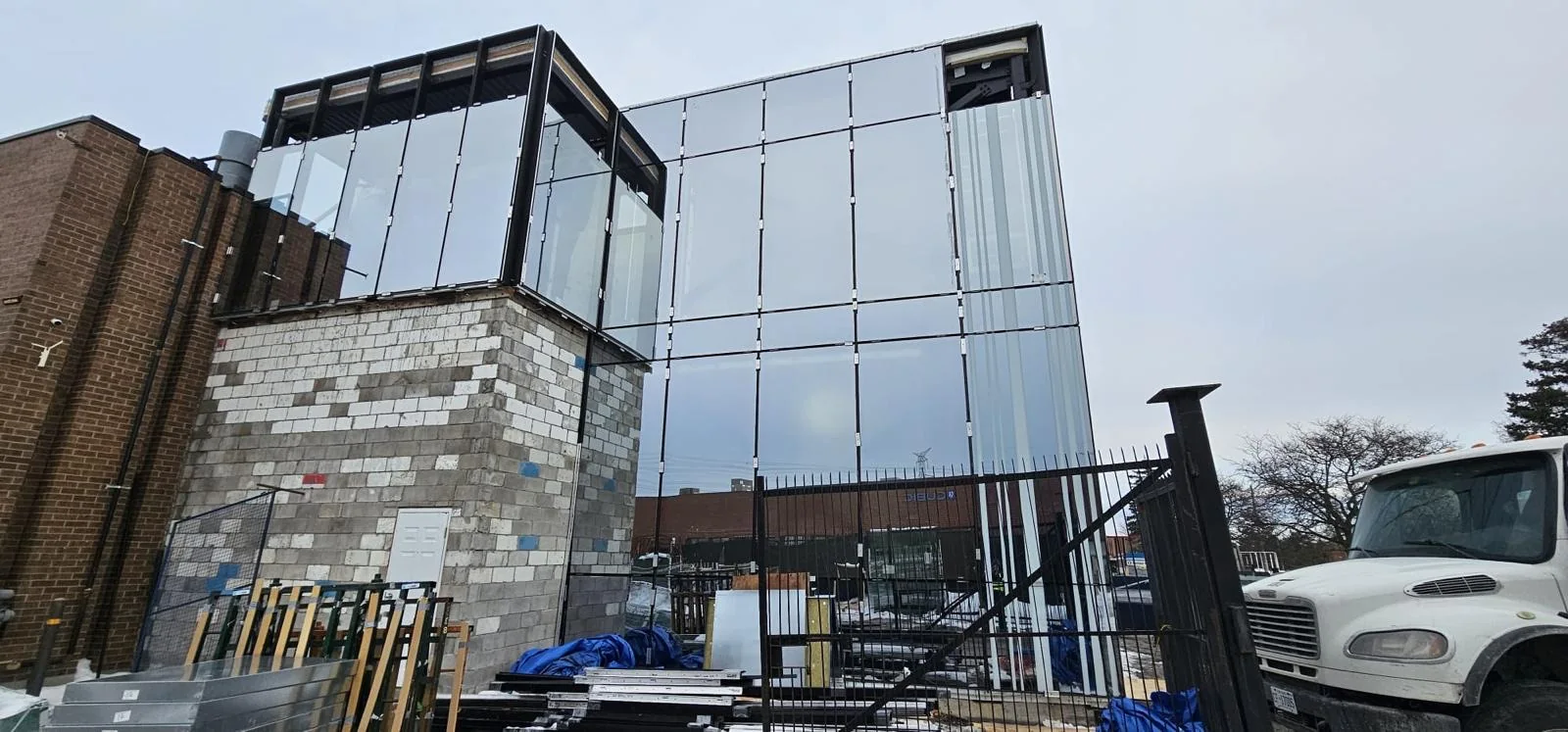
Sealed units, answered.
The seal around the cavity has failed and humid air has got in. Once the desiccant in the spacer bar is saturated it can no longer absorb it, and the moisture condenses between the panes where it cannot be cleaned.
In most cases yes. If the frame is sound, [COMPANY NAME] replaces the unit in place. It costs a fraction of a full window replacement and restores the thermal barrier the building was designed to have.
No. Sealed unit work at [COMPANY NAME] scales from a single suite to a full elevation or a multi-year program phased by floor group, so the cost can land across more than one budget cycle.
[COMPANY NAME] matches coating, tint and thickness as closely as the current product range allows. On an older building an exact match is not always available, which is one reason a full elevation is often done together rather than unit by unit.
In most buildings, yes, and often by a wide margin. Many units made twenty or more years ago are plain glass with air between the panes. A replacement unit carries a Low-E coating that reflects radiant heat back into the building and an argon fill that slows the transfer between panes, neither of which the old unit had. It is not a like-for-like repair. The opening comes back performing better than it did the day the building opened.
Manufacturer coverage on the sealed unit itself, plus a five-year workmanship warranty on the installation and a separate sealant warranty. Everything is documented in writing at closeout.
Have a question that isn't covered here? Ask us directly
Tell us about your project.
Tower or home, send us the details and we will come back to you within one business day.